

Hey there, fellow motorcycle enthusiasts! I'm a supplier of Motorcycle Hazard Blinkers, and I've been getting a lot of questions lately about why motorcycle hazard blinkers blink slowly. So, I thought I'd put together this blog post to share some insights and solutions.
Common Reasons for Slow Blinking Hazard Blinkers
1. Bulb Issues
One of the most common reasons for slow blinking is a problem with the bulbs themselves. Over time, bulbs can wear out or burn out completely. When a bulb is close to the end of its lifespan, it might not draw the correct amount of current. This can throw off the timing of the flasher unit, causing the blinkers to blink slower than normal.
For example, if one of the bulbs in your hazard blinker system has a lower wattage than it's supposed to, the flasher unit will detect a lower current draw. It's designed to work within a specific range of current, and when the current is off, it adjusts the blinking speed accordingly. Replacing the faulty bulb with a Motorcycle Hazard Blinker of the correct wattage can often solve the problem.
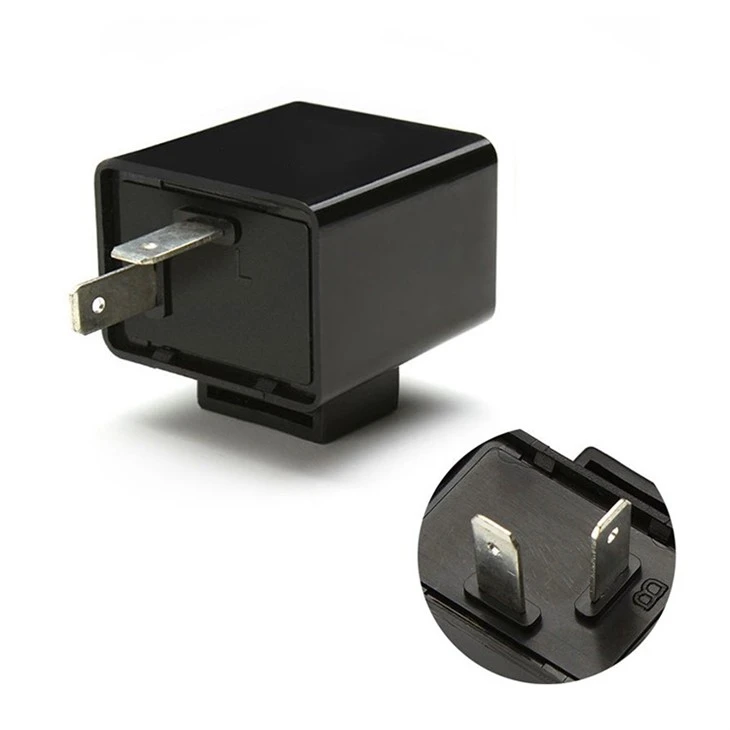

2. Flasher Unit Problems
The flasher unit is the heart of the blinker system. It's responsible for controlling the blinking speed of the hazard lights. If the flasher unit is malfunctioning, it won't be able to regulate the current properly, leading to slow blinking.
There are different types of flasher units, including thermal and electronic ones. Thermal flasher units work by using a bimetallic strip that heats up and cools down, creating the blinking effect. Over time, the bimetallic strip can wear out or become damaged, causing the blinking speed to change. Electronic flasher units, on the other hand, use solid - state components and are generally more reliable, but they can also fail due to electrical faults or overheating.
If you suspect that the flasher unit is the problem, it might be time to replace it with a new Motorcycle Silent Hazard Blinker or Motorcycle Silent Turn Signal Relay depending on your bike's specifications.
3. Electrical Connections
Poor electrical connections can also cause slow blinking hazard blinkers. Over time, the connectors can corrode, become loose, or develop a build - up of dirt and grime. This can increase the resistance in the electrical circuit, reducing the amount of current that reaches the bulbs and the flasher unit.
To check for loose connections, you can visually inspect the wiring and connectors around the hazard blinker system. Look for any signs of corrosion, such as green or white powdery substance on the connectors. You can also try gently wiggling the connectors to see if the blinking speed changes. If you find any loose or corroded connectors, clean them with an electrical contact cleaner and tighten them up.
4. Voltage Problems
Another factor that can affect the blinking speed is the voltage in your motorcycle's electrical system. If the battery is low on charge or if there's an issue with the charging system, the voltage might be too low. A lower voltage means less power is available to the bulbs and the flasher unit, which can cause the blinkers to blink slowly.
You can use a multimeter to check the voltage of your battery. A fully charged motorcycle battery should read around 12.6 to 12.8 volts. If the voltage is significantly lower, you might need to charge the battery or have the charging system checked by a professional.
Solutions to the Slow Blinking Problem
Step - by - Step Troubleshooting
- Check the Bulbs: Start by inspecting all the bulbs in the hazard blinker system. Look for any signs of damage, such as a broken filament or a darkened glass. Replace any bulbs that seem faulty with the correct wattage bulbs.
- Test the Flasher Unit: You can test the flasher unit by swapping it with a known - good one. If the blinking speed returns to normal, then the original flasher unit was the problem.
- Inspect Electrical Connections: As mentioned earlier, check all the electrical connections for corrosion and looseness. Clean and tighten them if necessary.
- Check the Battery Voltage: Use a multimeter to check the battery voltage. If it's low, charge the battery or have the charging system inspected.
Upgrading Your Blinker System
If you're tired of dealing with slow blinking hazards and want a more reliable setup, you might consider upgrading your blinker system. There are many high - quality Motorcycle Hazard Blinkers available on the market that offer better performance and durability. Upgrading to a Motorcycle Silent Hazard Blinker can also give you a quieter and more efficient operation.
Why Choose Our Products
As a supplier of Motorcycle Hazard Blinkers, I'm proud to offer a wide range of high - quality products. Our blinkers are designed to meet the strictest standards of performance and reliability. Whether you need a replacement flasher unit or a complete blinker system, we've got you covered.
Our products are made from the best materials and are thoroughly tested to ensure they work perfectly in your motorcycle. We also offer excellent customer service, so if you have any questions or need help with installation, our team is always here to assist you.
Let's Work Together
If you're in the market for Motorcycle Hazard Blinkers or related products, I'd love to hear from you. Whether you're a motorcycle mechanic, a dealership, or an individual rider looking to upgrade your bike, we can provide you with the right solutions.
Feel free to browse our website to learn more about our Motorcycle Hazard Blinkers, Motorcycle Silent Hazard Blinkers, and Motorcycle Silent Turn Signal Relays. If you have any specific requirements or need a custom solution, don't hesitate to reach out. We're ready to discuss your needs and work together to find the best products for you.
References
- Motorcycle Maintenance Manuals
- Electrical Engineering Journals on Motorcycle Systems
- Online Forums for Motorcycle Enthusiasts


