

Hey there! As a flasher supplier, I've seen my fair share of flashers acting up. It can be super frustrating for both me and the customers when a flasher malfunctions. So, I thought I'd share some of the common reasons behind these issues.
1. Electrical Overload
One of the most frequent causes of flasher malfunction is electrical overload. Flashers are designed to handle a specific amount of electrical current. If you hook up too many bulbs or use bulbs with a higher wattage than the flasher is rated for, it can cause the flasher to overheat.
Let me give you an example. Say you've got a standard flasher that's meant to work with a couple of regular turn - signal bulbs. But then you decide to add some extra - bright LED bulbs or more bulbs to the circuit. The flasher just can't handle the extra load. When it overheats, the internal components start to break down. This can lead to the flasher either not working at all or blinking at an irregular rate.
If you're in the market for a reliable flasher, check out our 6V Motorcycle Flasher SCP. It's designed to handle the electrical demands of a motorcycle's turn - signal system, but make sure to stick to the recommended bulb wattage.
2. Poor Electrical Connections
Another big culprit is poor electrical connections. Flashers rely on a good electrical connection to function properly. If the wires are loose, corroded, or damaged, it can disrupt the flow of electricity.
Loose wires can cause intermittent contact. You might notice that the turn signals work sometimes and then stop working for no apparent reason. Corrosion, on the other hand, is often caused by exposure to moisture. If the flasher is installed in an area where it gets wet, like under the motorcycle or near the fenders, the metal parts of the wires and connectors can start to rust. This rust creates a barrier that reduces the electrical conductivity.
Damaged wires can also be a problem. Maybe the wires got pinched during installation or were chewed on by rodents. When the wire's insulation is broken, it can short - circuit the system. To avoid these issues, always make sure to check the connections when installing a new flasher. Our Motorcycle Silent Turn Signal Relay comes with clear installation instructions to help you get the connections right.
3. Component Wear and Tear
Just like any other electrical component, flashers have a limited lifespan. Over time, the internal parts of the flasher can wear out. The contacts inside the flasher, which are responsible for opening and closing the electrical circuit to create the blinking effect, can become pitted or worn.
This wear and tear can happen due to normal use. Every time the flasher blinks, there's a small amount of arcing at the contacts. Over thousands of blinks, this arcing can damage the contacts. Once the contacts are damaged, the flasher may not be able to function correctly. It might blink too fast, too slow, or stop blinking altogether.
If you've had your flasher for a long time and it's starting to act up, it might be time for a replacement. Our Motorcycle Silent Hazard Blinker is built to last, but even the best components will eventually need to be replaced.
4. Voltage Fluctuations
Voltage fluctuations can also cause a flasher to malfunction. In a vehicle's electrical system, the voltage can vary depending on the battery's state of charge, the alternator's output, and other factors. If the voltage is too high or too low, it can affect the flasher's operation.
For example, if the alternator is overcharging the battery, the voltage in the system can spike. This high voltage can damage the sensitive internal components of the flasher. On the other hand, a low - voltage situation, like a weak battery, can cause the flasher to blink slowly or not at all.
It's important to have your vehicle's electrical system checked regularly to ensure that the voltage is stable. If you're experiencing problems with your flasher and suspect voltage issues, it's a good idea to consult a professional mechanic.
5. Incorrect Installation
Believe it or not, incorrect installation is a common cause of flasher malfunction. Flashers are designed to be installed in a specific way. If you install it backwards or connect the wires to the wrong terminals, it won't work properly.
Some flashers have polarity, which means that the positive and negative wires need to be connected correctly. If you reverse the polarity, the flasher may not function at all. Also, make sure to follow the installation instructions carefully when it comes to mounting the flasher. If it's not mounted securely, it can vibrate and cause loose connections over time.
When you purchase one of our flashers, we provide detailed installation guides to help you get it right the first time. But if you're still unsure, don't hesitate to reach out to us for support.
6. Environmental Factors
Environmental factors can also play a role in flasher malfunction. Extreme temperatures, both hot and cold, can affect the performance of the flasher. In very hot weather, the internal components of the flasher can expand, which can lead to short - circuits or other electrical problems.
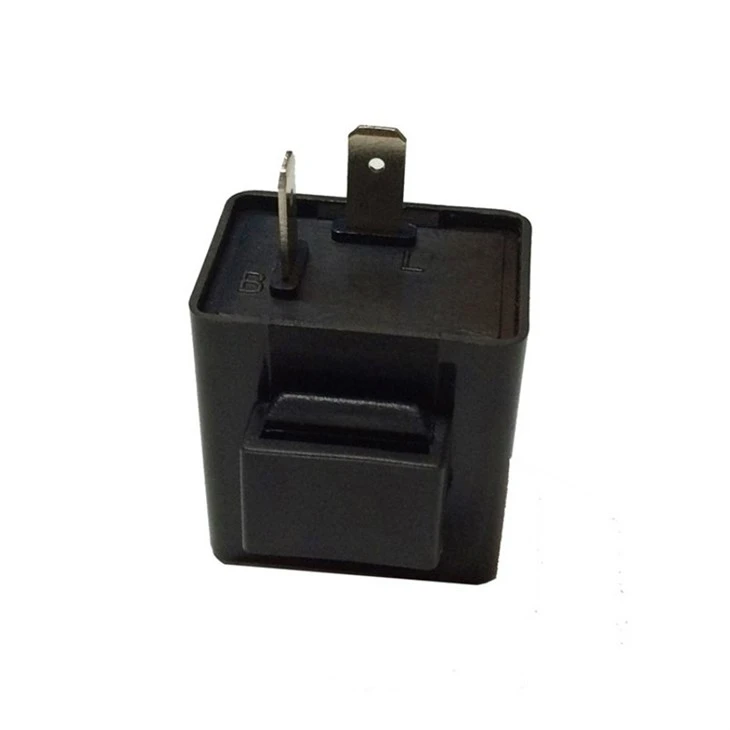

In cold weather, the plastic and rubber parts of the flasher can become brittle. This can cause cracks to form, which can allow moisture to enter the flasher. Moisture is the enemy of electrical components, as it can cause corrosion and short - circuits.
If you live in an area with extreme temperatures, make sure to choose a flasher that's designed to withstand those conditions. Our flashers are tested to perform well in a wide range of temperatures, but it's still important to take precautions to protect them.
7. Compatibility Issues
Finally, compatibility issues can cause a flasher to malfunction. Not all flashers are compatible with all types of bulbs. For example, some traditional flashers are designed to work with incandescent bulbs, while LED bulbs require a special type of flasher.
LED bulbs draw less current than incandescent bulbs. If you use a regular flasher with LED bulbs, the flasher may blink too fast. This is because the flasher is designed to detect a certain amount of current flow, and the low current draw of LED bulbs throws it off.
To avoid compatibility issues, make sure to choose a flasher that's specifically designed for the type of bulbs you're using. We offer a variety of flashers that are compatible with both incandescent and LED bulbs.
If you're having problems with your flasher or need help choosing the right one for your vehicle, don't hesitate to contact us. We're here to assist you with all your flasher needs. Whether you're a motorcycle enthusiast or a professional mechanic, we've got the products and expertise to keep your turn - signals working properly.
In conclusion, there are several factors that can cause a flasher to malfunction, including electrical overload, poor connections, wear and tear, voltage fluctuations, incorrect installation, environmental factors, and compatibility issues. By being aware of these issues and taking the necessary precautions, you can ensure that your flashers last longer and perform better.
If you're interested in purchasing any of our high - quality flashers, feel free to reach out for a purchase consultation. We're always happy to discuss your specific requirements and help you find the perfect flasher for your needs.
References
- Automotive Electrical Systems Manuals
- Motorcycle Maintenance Guides
- Industry - standard Electrical Component Documentation


