

In the intricate world of multi - cylinder motorcycle engines, the starter relay plays a pivotal role in initiating the engine's operation. As a trusted Motorcycle Starter Relay supplier, I've witnessed firsthand the importance of understanding how these components work, especially in multi - cylinder setups. In this blog, I'll delve into the inner workings of the motorcycle starter relay in a multi - cylinder engine, highlighting its functions, components, and the impact it has on overall engine performance.
The Basics of a Motorcycle Starter Relay
Before we dive into multi - cylinder engines, let's first understand what a starter relay is. A starter relay is an electrical switch that acts as an intermediary between the ignition switch and the starter motor. Its primary function is to control the high - current flow required to start the engine. When you turn the ignition key, the starter relay receives a small electrical signal from the ignition switch. This signal triggers the relay to close a circuit, allowing a large amount of current to flow from the battery to the starter motor.
In a single - cylinder engine, the starter relay's operation is relatively straightforward. However, in a multi - cylinder engine, the process becomes more complex due to the increased power requirements and the need for coordinated starting of multiple cylinders.
Components of a Motorcycle Starter Relay
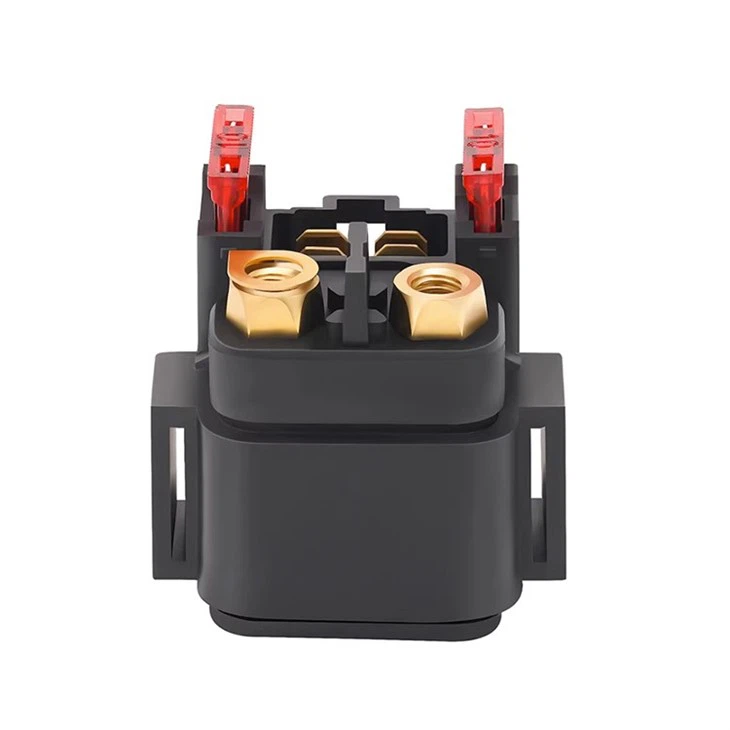
A typical motorcycle starter relay consists of several key components:
- Coil: The coil is an electromagnetic component that creates a magnetic field when an electrical current passes through it. When the ignition switch sends a signal, the current flows through the coil, generating a magnetic force.
- Contacts: The contacts are the physical points that open and close the electrical circuit. When the magnetic field is generated by the coil, it pulls the contacts together, closing the circuit and allowing current to flow to the starter motor. When the ignition switch is turned off, the magnetic field collapses, and the contacts separate, breaking the circuit.
- Housing: The housing protects the internal components of the relay from dirt, moisture, and other environmental factors. It also provides a mounting point for the relay on the motorcycle.
How the Starter Relay Works in a Multi - Cylinder Engine
In a multi - cylinder engine, the starter relay needs to handle a higher current load compared to a single - cylinder engine. This is because multiple cylinders need to be cranked simultaneously, requiring more power from the starter motor.

When you turn the ignition key in a multi - cylinder motorcycle, the following sequence of events occurs:
- Signal from the Ignition Switch: The ignition switch sends a low - voltage electrical signal to the starter relay. This signal is typically around 12 volts and is used to activate the relay's coil.
- Magnetic Field Generation: The electrical current from the ignition switch flows through the relay's coil, creating a magnetic field. The strength of the magnetic field is proportional to the current flowing through the coil.
- Contact Closure: The magnetic field pulls the relay's contacts together, closing the high - current circuit between the battery and the starter motor. This allows a large amount of current, typically around 100 - 200 amps, to flow from the battery to the starter motor.
- Starter Motor Activation: The high - current flow to the starter motor causes it to rotate. The starter motor is connected to the engine's flywheel through a gear mechanism. As the starter motor rotates, it turns the flywheel, which in turn cranks the engine's pistons.
- Engine Start: Once the engine's pistons start moving, the fuel - air mixture is compressed and ignited in each cylinder. This creates the power needed to keep the engine running on its own. Once the engine is running, the ignition switch is released, and the starter relay's contacts open, cutting off the power to the starter motor.
Challenges in Multi - Cylinder Engine Starter Relay Operation
Operating a starter relay in a multi - cylinder engine presents several challenges:
- High Current Load: As mentioned earlier, multi - cylinder engines require more power to start, which means the starter relay needs to handle a higher current load. This can lead to increased wear and tear on the relay's contacts, potentially reducing its lifespan.
- Coordinated Starting: In a multi - cylinder engine, all cylinders need to start simultaneously for smooth operation. The starter relay needs to ensure that the starter motor provides enough torque to crank all cylinders evenly. Any imbalance in the starting process can lead to rough idling or difficulty starting the engine.
- Environmental Factors: Multi - cylinder motorcycles are often used in a variety of environments, including wet and dusty conditions. These environmental factors can affect the performance of the starter relay, leading to corrosion or electrical shorts.
Importance of Quality Starter Relays in Multi - Cylinder Engines
As a Motorcycle Starter Relay supplier, I understand the importance of providing high - quality relays for multi - cylinder engines. A reliable starter relay ensures smooth and consistent starting of the engine, reducing the risk of starting problems and engine damage.
When choosing a starter relay for a multi - cylinder engine, it's essential to consider the following factors:
- Current Rating: The starter relay should have a current rating that is suitable for the power requirements of the multi - cylinder engine. A relay with a low current rating may not be able to handle the high - current load, leading to overheating and failure.
- Contact Material: The contacts of the starter relay should be made of high - quality materials that can withstand the high - current flow and resist corrosion. Copper and silver are commonly used contact materials due to their excellent electrical conductivity and durability.
- Environmental Resistance: The relay should be designed to withstand the environmental conditions in which the motorcycle will be used. This includes protection against moisture, dust, and vibration.
Our Product Range
We offer a wide range of starter relays suitable for various multi - cylinder motorcycle engines. For example, our Yamaha Starter Relay is specifically designed to meet the unique requirements of Yamaha multi - cylinder engines. It provides reliable starting performance and is built to last.
Our Honda VTEC CB400 Starter Relay is another high - quality option for Honda multi - cylinder motorcycles. It is engineered to handle the high - current load and ensure smooth starting of the engine.
If you have a motorcycle with a GY6 engine, our Motorcycle Starter Relay GY6 is the perfect choice. It is designed to provide efficient and reliable starting performance in GY6 multi - cylinder engines.
Contact Us for Your Starter Relay Needs
If you're in the market for a high - quality motorcycle starter relay for your multi - cylinder engine, we're here to help. Our team of experts can assist you in choosing the right relay for your specific motorcycle model and requirements. Whether you're a motorcycle enthusiast, a mechanic, or a dealership, we offer competitive pricing, excellent customer service, and fast shipping. Contact us today to start a purchase negotiation and experience the difference of working with a trusted Motorcycle Starter Relay supplier.
References
- "Motorcycle Electrical Systems" by John Doherty
- "The Complete Guide to Motorcycle Maintenance" by Mark Zimmerman


