

Hey there! I'm a supplier of 12v 4pin Start Relays, and today I wanna chat about the environmental conditions that are suitable for these little but super - important components.
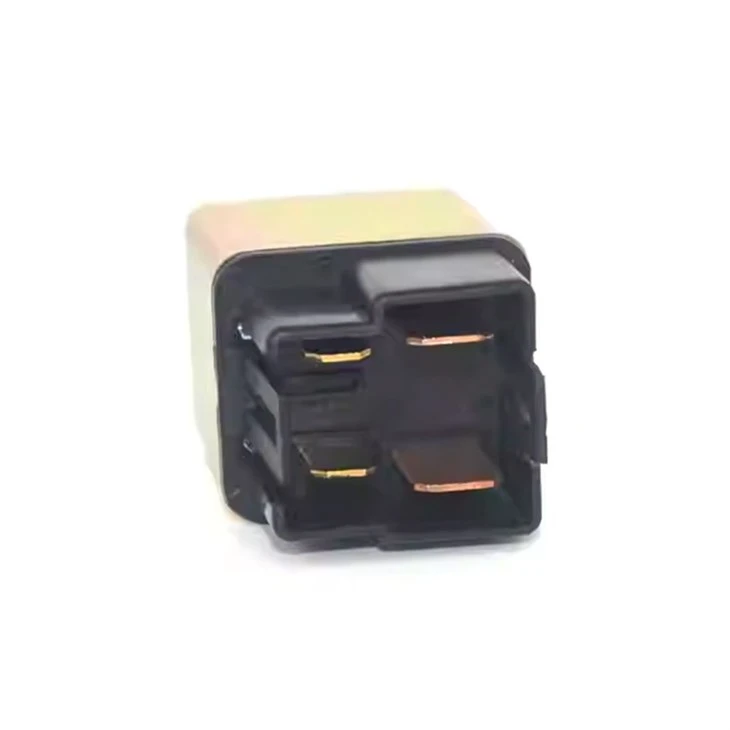
Let's first understand what a 12v 4pin Start Relay is. It's a key part in many electrical systems, especially in vehicles. It helps to connect and disconnect electrical circuits, allowing the starter motor to receive power and start the engine. With the right environmental conditions, these relays can work at their best and last a long time.
Temperature
Temperature is a huge factor when it comes to the performance of a 12v 4pin Start Relay. Most of these relays are designed to operate within a certain temperature range. Typically, they can work well in temperatures from around - 20°C to 85°C.
In cold environments, when the temperature drops below - 20°C, the relay's internal components can become more brittle. The contacts might not close properly because the metal contracts, which can lead to issues like poor electrical conductivity and even failure to start the system. How often do you see cars having trouble starting on really cold winter mornings? Well, a faulty relay due to the cold could be one of the reasons.
On the other hand, in hot environments where the temperature goes above 85°C, things can get dicey too. High temperatures can cause the insulation materials inside the relay to degrade faster. The heat can also make the contacts expand, and this might result in arcing when the relay switches. Arcing is bad news because it can damage the contacts and reduce the lifespan of the relay.
If you're using a 12v 4pin Start Relay in a place with extreme temperatures, you might need to think about some extra protection. For instance, you could install a heat - shield in a hot environment or a heater in a cold one to keep the relay within its ideal temperature range.
Humidity
Humidity can be a sneaky problem for 12v 4pin Start Relays. When there's high humidity in the air, moisture can get inside the relay. This moisture can cause corrosion on the contacts, which is not good for the electrical connection. Corroded contacts mean higher resistance, and that can lead to overheating and eventually, relay failure.
A relative humidity level of around 30% - 70% is generally ideal for these relays. If the humidity goes consistently above 70%, it's a good idea to use a relay with better moisture - proofing. Some relays come with sealed enclosures that can prevent moisture from getting in.
In places like coastal areas where the air is often humid, or in basements where moisture tends to accumulate, you really need to be careful. You might also want to consider using a dehumidifier in the area where the relay is installed.

Vibration and Shock
Vehicles, especially motorcycles and off - road vehicles, can experience a lot of vibration and shock. A 12v 4pin Start Relay needs to be able to handle these conditions without getting damaged.
Excessive vibration can cause the internal components of the relay to loosen. The contacts might start to bounce, which can lead to intermittent electrical connections. This can make the starter motor act erratically or even fail to start the engine.
Similarly, a sudden shock can also damage the relay. For example, if a vehicle hits a big pothole, the shock can jolt the relay and cause internal damage. That's why many high - quality relays are designed with anti - vibration and shock - resistant features. They have better mounting structures and internal components that can withstand these forces.
If you're using a 12V Start Relay for QJ150 on a motorcycle that goes on rough roads a lot, make sure it's properly mounted and that it's a model known for its durability.
Dust and Dirt
Dust and dirt can be a nuisance for 12v 4pin Start Relays. When dust accumulates on the contacts, it can act as an insulator, preventing good electrical contact. This can lead to issues like reduced conductivity, overheating, and relay failure.
In industrial or construction environments where there's a lot of dust in the air, or in areas near dirt roads, the relay is at a high risk. To protect the relay, you can use dust covers. Some relays also have sealed casings that can stop dust from getting inside.
In a workshop where heavy machinery creates a lot of dust, or when a motorcycle is used for off - road adventures, proper dust protection becomes crucial.
Chemical Exposure
Relays can be sensitive to certain chemicals. Exposure to chemicals like solvents, acids, and alkalis can damage the insulation materials and corrode the contacts.
In automotive repair shops where various chemicals are used, or in industrial settings with chemical - based processes, the relay needs to be protected. If the relay is accidentally exposed to chemicals, it might need to be replaced as soon as possible to avoid further damage.
For example, if you're using a CF250 Electrical Relay in a place where cleaning solvents are often used, make sure it's well - shielded.
Electrical Noise
Electrical noise is another factor to consider. In modern electrical systems, there can be a lot of electrical interference from things like alternators, ignition systems, and other electronic components. This electrical noise can cause the relay to switch erratically or malfunction.
To deal with electrical noise, some relays are equipped with filtering circuits. These circuits can reduce the impact of electrical interference and ensure that the relay operates smoothly. If you're in an environment with a lot of electrical noise, look for a relay that has good noise - suppression features.
In conclusion, keeping a 12v 4pin Start Relay in the right environmental conditions is crucial for its performance and lifespan. Whether it's temperature, humidity, vibration, or other factors, being aware of these conditions and taking the right precautions can save you a lot of headaches down the road.
If you're in the market for high - quality 12v 4pin Start Relays, I'd love to talk to you. We've got a wide range of relays that are designed to meet different environmental requirements. Just reach out, and we can discuss your specific needs and how our products can fit the bill.
References
- Electrical Relay Handbook
- Automotive Electrical Systems Manual


