

Hey there! I'm a supplier of wheel hub motors, and I've been in this game for quite a while. Mass-producing wheel hub motors might seem like a straightforward deal, but trust me, it's got its fair share of challenges. In this blog, I'll walk you through some of the major hurdles we face in the mass production of these motors.
1. Design and Engineering Challenges
First off, designing a wheel hub motor that meets a wide range of requirements is no piece of cake. Different customers have different needs, whether it's for electric bikes, electric scooters, or even small electric vehicles. We need to balance power, efficiency, size, and weight in the design.
For example, if we're aiming for high power, like in our 60V 5000W Interior PM Brushless Motor, we need to use larger magnets and more copper windings. But this can increase the size and weight of the motor, which might not be suitable for applications where space and weight are critical, like electric bikes.
On the other hand, if we focus on making the motor smaller and lighter, we might have to compromise on power output. It's a constant juggling act to find the sweet spot that works for the majority of our customers.
Another aspect of design is ensuring the motor's reliability. Wheel hub motors are exposed to harsh conditions, such as dirt, water, and vibrations. We need to design the motor with proper sealing and cooling mechanisms to prevent damage and ensure a long lifespan. This means investing a lot of time and resources in research and development to come up with innovative solutions.
2. Manufacturing Process Complexity
The manufacturing process of wheel hub motors is quite complex. It involves multiple steps, from winding the coils to assembling the magnets and the housing. Each step requires precision and quality control to ensure that the final product meets our standards.
Winding the coils is a delicate process. The number of turns, the gauge of the wire, and the way the coils are wound can all affect the motor's performance. Any mistakes in this step can lead to issues like uneven power distribution or overheating. We need to use specialized winding machines and skilled workers to ensure accuracy.
Assembling the magnets is another critical step. The magnets need to be placed in the correct position and orientation to create a strong magnetic field. If the magnets are not aligned properly, the motor's efficiency will be significantly reduced. This requires careful handling and precise assembly techniques.
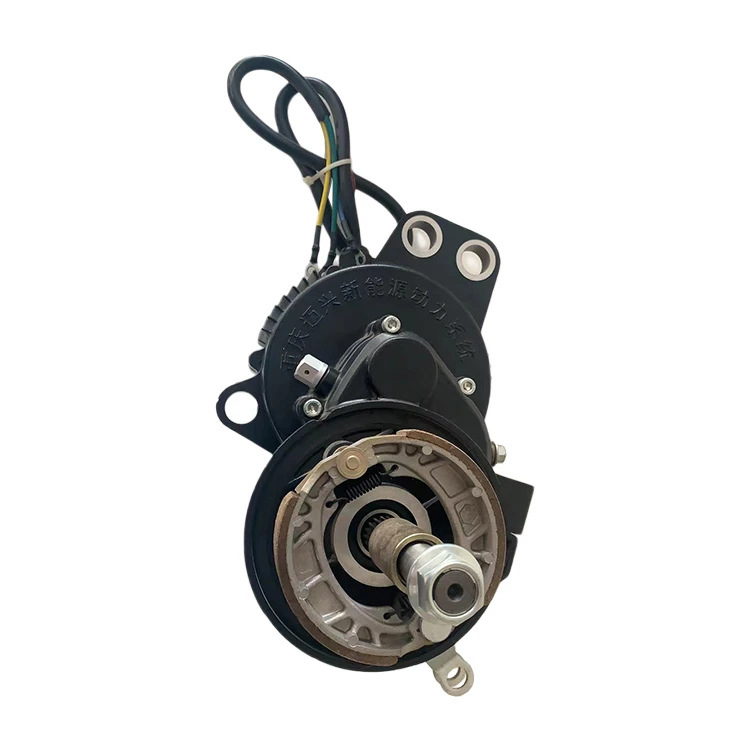

Moreover, the housing of the wheel hub motor needs to be strong enough to protect the internal components while also being lightweight. We use high - quality materials like aluminum alloys, but machining and forming these materials to the required shape can be challenging. Any defects in the housing can lead to water or dust ingress, which can damage the motor.
3. Quality Control
Maintaining consistent quality is a huge challenge in mass production. With thousands of motors being produced, it's essential to have a rigorous quality control system in place.
We need to test each motor at multiple stages of the production process. This includes electrical tests to check the voltage, current, and power output, as well as mechanical tests to ensure smooth rotation and proper alignment. Any motor that fails these tests needs to be reworked or discarded, which can increase production costs.
In addition to in - house testing, we also need to comply with various international standards and regulations. Different countries have different requirements for electric motors, especially when it comes to safety and environmental protection. Ensuring that our motors meet all these standards requires continuous monitoring and improvement of our manufacturing processes.
4. Supply Chain Management
Managing the supply chain for mass - producing wheel hub motors is no easy feat. We rely on a network of suppliers for raw materials, such as copper wire, magnets, and aluminum. Any disruptions in the supply chain can cause delays in production.
The price and availability of raw materials can also fluctuate. For example, the cost of rare - earth magnets, which are commonly used in wheel hub motors, can be affected by factors like mining regulations and geopolitical issues. When the price of these materials goes up, it can significantly increase our production costs.
We also need to ensure that our suppliers meet our quality standards. If a supplier provides sub - standard raw materials, it can affect the quality of our final product. This means we need to have strict supplier evaluation and monitoring processes in place.
5. Cost - Effectiveness
In mass production, cost - effectiveness is crucial. We need to find ways to reduce production costs without sacrificing quality.
One way to do this is by optimizing our manufacturing processes. We can invest in automation to increase production efficiency and reduce labor costs. However, implementing automation requires a significant upfront investment, and it might take some time to see a return on investment.
Another approach is to negotiate better prices with our suppliers. By building long - term relationships with them and ordering in large quantities, we can often get better deals on raw materials. But this also requires careful planning and forecasting to ensure that we don't over - or under - order.
We also need to consider the cost of research and development. Developing new and improved wheel hub motors requires a lot of investment, but we need to balance this cost with the potential benefits in terms of increased sales and customer satisfaction.
6. Market Competition
The market for wheel hub motors is highly competitive. There are many suppliers out there, offering a wide range of products at different price points.
To stand out in the market, we need to offer high - quality products at competitive prices. This means constantly innovating and improving our products to meet the changing needs of our customers. We also need to provide excellent customer service, from pre - sales support to after - sales maintenance.
For example, our 72V 1200W PM Brushless DC Motor Servo Single Gear and 72V 1000W PM Brushless DC Motor Servo Two Gear are designed to offer a good balance of power, efficiency, and cost. But we still need to keep an eye on what our competitors are offering and make adjustments to our products and pricing strategies accordingly.
Conclusion
Mass - producing wheel hub motors is a challenging but rewarding business. Despite the many challenges we face in design, manufacturing, quality control, supply chain management, cost - effectiveness, and market competition, we're committed to providing our customers with the best possible products.
If you're in the market for wheel hub motors and want to discuss your specific requirements, feel free to reach out to us. We'd be more than happy to have a chat and see how we can meet your needs.
References
- "Electric Motor Handbook" by Arnold Tustin
- "Power Electronics and Motor Drives: Technology and Applications" by Bimal K. Bose


