Can an ignition coil cause electrical shorts in the system?
As a reputable ignition coil supplier, I've been asked this question quite frequently. The ignition coil is a vital component in a vehicle's ignition system, responsible for converting the low - voltage electricity from the battery into the high - voltage required to create a spark in the spark plugs. But can it lead to electrical shorts in the system? Let's delve into this topic in detail.
How an Ignition Coil Works
First, let's recap the basic functionality of an ignition coil. Inside an ignition coil, there are two sets of coils of wire: the primary coil and the secondary coil. The primary coil has a relatively small number of turns of thick wire, and it is connected to the vehicle's electrical system. When the ignition switch is turned on, a current flows through the primary coil, creating a magnetic field around it.
The secondary coil, on the other hand, has a large number of turns of thin wire. When the current through the primary coil is suddenly interrupted, the magnetic field collapses rapidly. According to Faraday's law of electromagnetic induction, this rapid change in the magnetic field induces a very high voltage in the secondary coil. This high - voltage current is then sent to the spark plugs to ignite the air - fuel mixture in the engine cylinders.
Common Causes of Electrical Shorts in an Ignition Coil
Over time, several factors can lead to the development of electrical shorts in an ignition coil.
1. Insulation Breakdown
The ignition coil's windings are coated with insulation materials to prevent the current from leaking. However, due to heat, vibration, and general wear and tear, this insulation can deteriorate. High - temperature environments under the vehicle's hood can cause the insulation to become brittle and crack. Once the insulation breaks down, the current can start to flow between the turns of the coil or to other conductive parts of the system, resulting in an electrical short.
2. Moisture Ingress
Moisture is an enemy of the ignition coil. If water or other liquids somehow enter the ignition coil housing, it can cause the electrical current to take an unintended path. For example, rust can form on the internal components of the coil when moisture is present. Rust can act as a conductor and create a short - circuit between different parts of the coil.
3. Manufacturing Defects
Although modern manufacturing processes are highly advanced, there is still a chance of defects in the ignition coil. Imperfections in the winding of the coils, poor insulation application, or problems with the internal connections can all lead to electrical shorts. These issues may not become apparent immediately but can manifest as the coil ages or is subjected to normal operating conditions.
Impact of an Ignition Coil Short on the Electrical System
When an ignition coil develops an electrical short, it can have wide - ranging effects on the vehicle's electrical system and overall performance.

1. Engine Misfires
One of the most noticeable symptoms is engine misfires. A short in the ignition coil can prevent the proper generation of the high - voltage spark needed to ignite the air - fuel mixture in one or more cylinders. As a result, the engine may run rough, lose power, and experience a decrease in fuel efficiency.
2. Blown Fuses
An electrical short in the ignition coil can cause a sudden increase in the current flow in the circuit. This excessive current can blow the fuses that are designed to protect the ignition system from over - current situations. Once a fuse is blown, the ignition system may stop functioning altogether, leaving the vehicle unable to start.
3. Damage to Other Components
The electrical short can also send abnormal electrical signals to other components in the electrical system. This can potentially damage sensitive electronic control units (ECUs) or other electrical parts connected to the ignition system. Over time, these components may fail, leading to more extensive and costly repairs.
Our High - Quality Ignition Coils
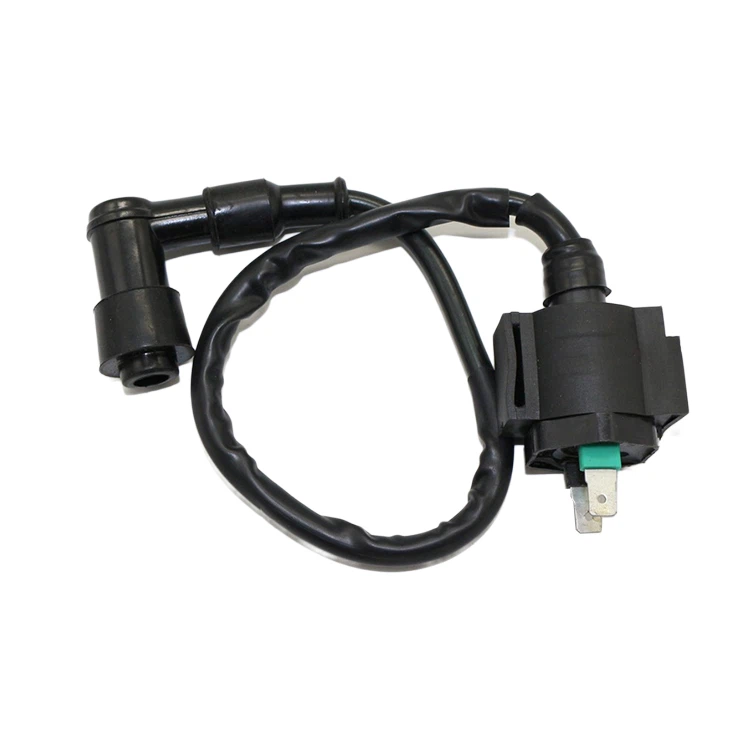
At our company, we understand the importance of reliable ignition coils. We offer a wide range of ignition coils, including the Racing CM250 Motorcycle Ignition Coil, Ignition Coil JH70, and CBT125 Racing Ignition Coil.
Our ignition coils are manufactured using the highest - quality materials and advanced manufacturing techniques. We take extra care to ensure the proper insulation of the coils to prevent breakdown and minimize the risk of electrical shorts. Stringent quality control measures are in place at every stage of production, from the selection of raw materials to the final testing of the finished product.
Preventive Measures
To reduce the likelihood of electrical shorts in the ignition coil, vehicle owners can take several preventive measures.
1. Regular Maintenance
Regular vehicle maintenance is crucial. This includes checking the ignition coil for signs of wear, such as cracked insulation or rust. If any issues are detected early, the ignition coil can be repaired or replaced before a short occurs.
2. Protecting from Moisture
Keep the ignition coil dry. Ensure that the engine compartment is well - sealed to prevent water from entering. If the vehicle is driven in wet conditions frequently, additional protective measures, such as using a waterproof cover for the ignition coil, can be considered.
3. Using Quality Parts
When replacing an ignition coil, always choose high - quality parts from a reliable supplier. Inferior quality ignition coils are more likely to develop electrical shorts due to poor manufacturing and sub - standard materials.
Conclusion
In conclusion, an ignition coil can indeed cause electrical shorts in the system due to insulation breakdown, moisture ingress, or manufacturing defects. These shorts can have a significant impact on the vehicle's performance and electrical system. However, by using high - quality ignition coils like the ones we offer and following preventive measures, the risk of electrical shorts can be greatly reduced.
If you are in the market for ignition coils or have any questions about our products, we welcome you to contact us for procurement and further discussions. We are committed to providing you with the best ignition coil solutions for your needs.
References
- "Automotive Electrical and Electronic Systems" by William H. Crouse and Donald L. Anglin
- "Modern Automotive Technology" by James D. Halderman