

Hey there! As a supplier of Brushless DC Motors, I've been diving deep into the ins and outs of these amazing pieces of tech. One question that often pops up is, "What is the role of the controller in a Brushless DC Motor system?" Well, let's dig in and find out!
First off, let's get a quick overview of what a Brushless DC Motor (BLDC) is. Unlike traditional brushed motors, BLDC motors don't use brushes for commutation. Instead, they rely on electronic controllers to switch the current in the motor windings at the right time. This makes them more efficient, have a longer lifespan, and offer better performance overall.
So, what exactly does the controller do in a BLDC motor system? Well, think of the controller as the brain of the operation. It's responsible for a whole bunch of crucial tasks that keep the motor running smoothly and efficiently.
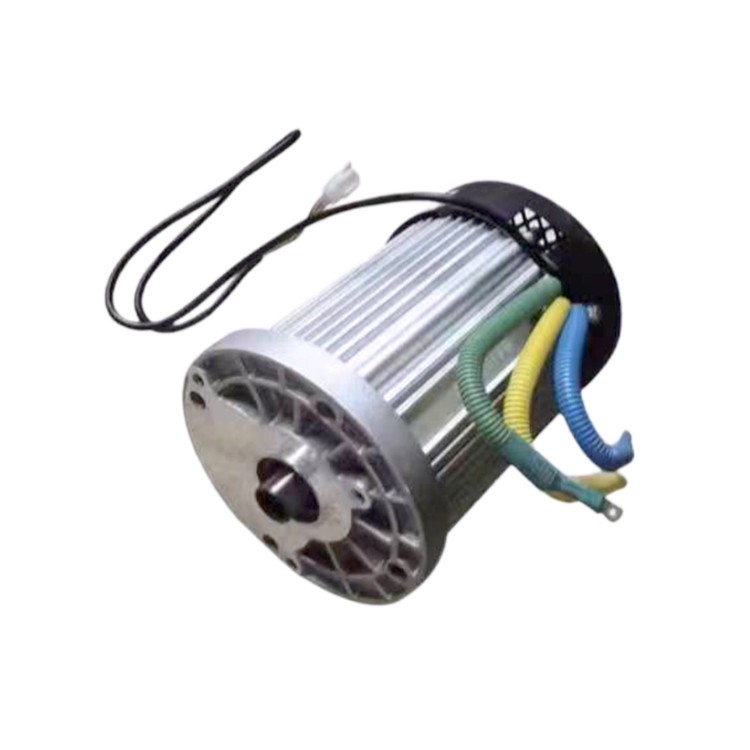
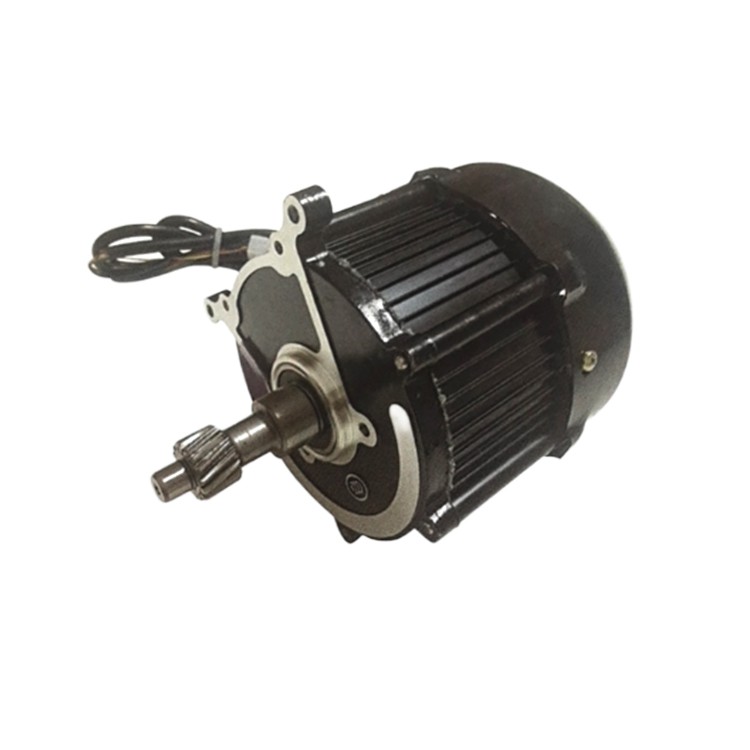
One of the primary functions of the controller is to control the speed of the motor. By adjusting the frequency and voltage of the electrical signals sent to the motor windings, the controller can regulate how fast the motor spins. This is super important in applications where precise speed control is needed, like in electric vehicles, robotics, and industrial machinery. For example, in an electric bike, the rider can use the throttle to tell the controller how fast they want to go, and the controller will adjust the motor speed accordingly.
Another key role of the controller is to manage the torque output of the motor. Torque is what allows the motor to do work, like move a load or turn a shaft. The controller can vary the amount of current flowing through the motor windings to control the torque. This is especially useful in applications where the load on the motor changes, like when an electric vehicle is accelerating or going up a hill. The controller can increase the torque to help the motor handle the extra load.
The controller also plays a vital role in the commutation process. Commutation is the process of switching the current in the motor windings to keep the motor rotating. In a BLDC motor, the controller uses sensors, like Hall effect sensors, to detect the position of the rotor (the rotating part of the motor). Based on this information, the controller knows when to switch the current in the windings to keep the motor turning in the right direction. Without proper commutation, the motor wouldn't be able to run at all.
In addition to speed, torque, and commutation control, the controller also provides protection for the motor and the system. It can monitor things like the temperature of the motor, the current flowing through the windings, and the voltage of the power supply. If it detects any abnormal conditions, like overheating or overcurrent, it can take action to protect the motor. For example, it might reduce the speed or shut off the motor completely to prevent damage.
Now, let's talk about some of the different types of controllers available for BLDC motors. There are two main types: sensor-based controllers and sensorless controllers. Sensor-based controllers use sensors, like Hall effect sensors, to detect the rotor position. These controllers are generally more accurate and reliable, but they can be more expensive and complex to install. Sensorless controllers, on the other hand, don't use sensors. Instead, they rely on algorithms to estimate the rotor position based on the electrical signals in the motor windings. Sensorless controllers are cheaper and easier to install, but they might not be as accurate as sensor-based controllers, especially at low speeds.
As a Brushless DC Motor supplier, we offer a wide range of motors and controllers to meet the needs of different applications. For example, we have the 48v 60V Electric 800W Brushless DC Motor, which is a great choice for electric bikes and other small electric vehicles. It offers high efficiency and reliable performance, and it comes with a compatible controller that provides precise speed and torque control.
We also have the 48v 60V Electric 500W Brushless DC Motor, which is a more compact and lightweight option. It's perfect for applications where space and weight are a concern, like in drones and small robots. And if you need more power, we have the 48v 60V Electric 1000W Brushless DC Motor, which can handle heavier loads and provide more torque.
In addition to our standard motors and controllers, we also offer custom solutions. If you have a specific application in mind and need a motor and controller that are tailored to your requirements, we can work with you to design and build a solution that meets your needs.
So, if you're in the market for a Brushless DC Motor and controller, look no further. We've got the expertise and the products to help you get the job done. Whether you're a hobbyist working on a DIY project or a large industrial manufacturer, we can provide you with high-quality motors and controllers that will meet your performance and reliability requirements.
If you're interested in learning more about our products or have any questions, feel free to reach out to us. We'd love to have a chat with you and help you find the right solution for your needs. Just drop us a line and we'll get back to you as soon as possible.
In conclusion, the controller is an essential part of a Brushless DC Motor system. It's responsible for controlling the speed, torque, and commutation of the motor, as well as providing protection for the motor and the system. By choosing the right controller for your application, you can ensure that your motor runs efficiently, reliably, and performs at its best.
References
- “Brushless DC Motor Control Basics.” Texas Instruments.
- “Understanding Brushless DC Motors and Controllers.” Control Engineering.
- “Brushless DC Motor Fundamentals.” Baldor Electric Company.


