Vibration is an inevitable phenomenon in motorcycle operation, and its impact on various components, including motorcycle hazard blinkers, cannot be overlooked. As a supplier of Motorcycle Hazard Blinker, I have witnessed firsthand how vibration can affect these crucial safety devices. In this blog, I will delve into the scientific aspects of how vibration impacts motorcycle hazard blinkers and discuss the implications for riders and manufacturers.
Understanding Motorcycle Hazard Blinkers
Before exploring the impact of vibration, it is essential to understand the basic function of motorcycle hazard blinkers. These blinkers, also known as hazard lights or emergency flashers, are designed to alert other road users when the motorcycle is in a hazardous situation, such as a breakdown, accident, or when it needs to be parked in an unsafe location. When activated, all turn signals on the motorcycle flash simultaneously, providing a clear visual warning.
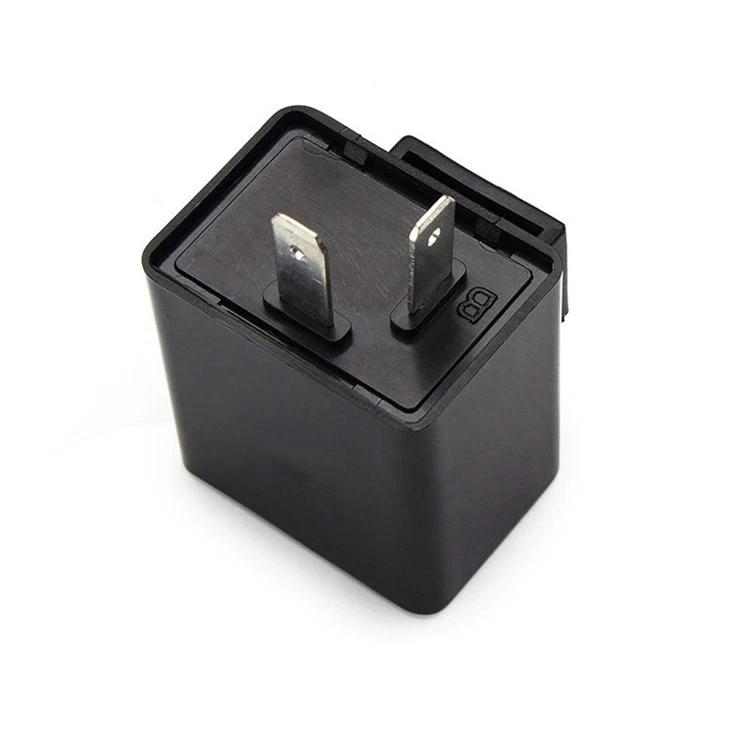
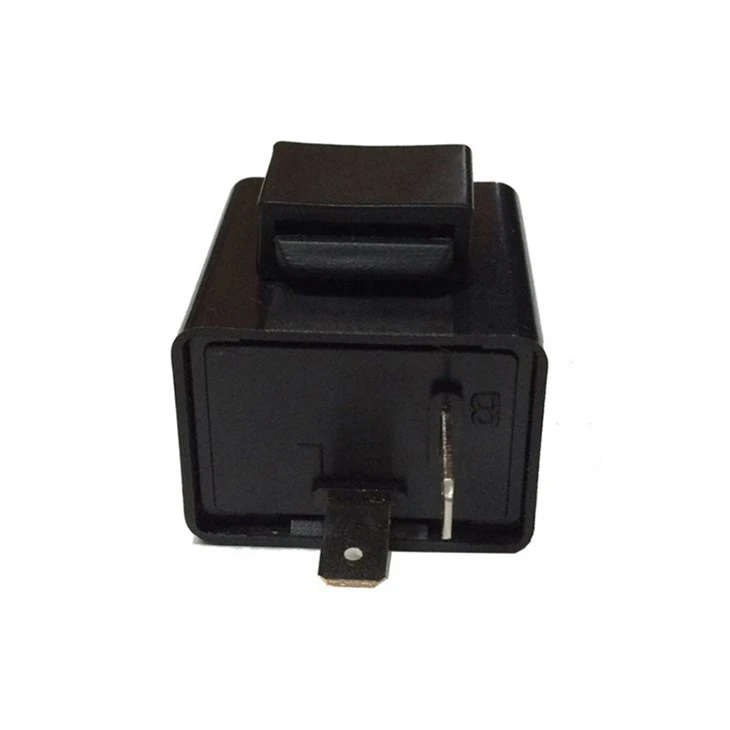
The operation of hazard blinkers relies on a flasher unit, which is an electrical device that controls the timing and intensity of the blinking. There are different types of flasher units available, including Universal 12V Turn Signal Relay and 6V Motorcycle Flasher SCP, each designed to work with specific voltage requirements and motorcycle models.
The Effects of Vibration on Motorcycle Hazard Blinkers
Mechanical Damage
One of the most significant impacts of vibration on motorcycle hazard blinkers is mechanical damage. The constant shaking and jolting experienced during motorcycle operation can cause the internal components of the flasher unit to loosen or break. Over time, this can lead to poor electrical connections, which may result in intermittent blinking or complete failure of the hazard blinkers.
For example, the soldered joints within the flasher unit can become weakened due to vibration, causing them to crack or break. This can disrupt the flow of electricity and prevent the blinkers from functioning properly. Additionally, the bulbs themselves can be affected by vibration, as the filaments can break or become loose, leading to a dim or non - functioning light.
Electrical Interference
Vibration can also cause electrical interference in the hazard blinker system. The movement of wires and components can create electromagnetic interference (EMI), which can disrupt the normal operation of the flasher unit. EMI can cause the blinkers to flash irregularly, at a different rate than intended, or even cause false triggering of the hazard lights.
In some cases, the vibration can cause the wires to rub against each other or against the motorcycle frame, leading to insulation damage. This can result in short circuits, which can not only damage the hazard blinker system but also pose a fire hazard.
Accelerated Wear and Tear
The continuous vibration experienced by motorcycle hazard blinkers accelerates the wear and tear of the components. The constant movement and stress can cause the materials to degrade more quickly than they would under normal, non - vibrating conditions. This means that the hazard blinkers may need to be replaced more frequently, increasing the maintenance costs for the rider.
Implications for Riders
For riders, the impact of vibration on motorcycle hazard blinkers can have serious safety implications. Malfunctioning hazard blinkers can reduce the visibility of the motorcycle in hazardous situations, increasing the risk of accidents. In an emergency, such as a breakdown on the side of the road, the ability to quickly and effectively signal other drivers is crucial for the rider's safety.
Riders may also experience frustration and inconvenience due to the need for frequent repairs or replacements of the hazard blinker system. In some cases, the cost of these repairs can add up over time, making it an expensive aspect of motorcycle ownership.
Implications for Manufacturers
Manufacturers of motorcycle hazard blinkers need to take vibration into account when designing and testing their products. They must ensure that the flasher units and bulbs are designed to withstand the rigors of motorcycle vibration. This may involve using more robust materials, better shock - absorbing mounts, and improved electrical insulation.
Testing procedures should also be more comprehensive, including vibration testing to simulate real - world conditions. By doing so, manufacturers can identify potential weaknesses in their products and make necessary improvements to ensure reliability and safety.
Mitigating the Impact of Vibration
There are several ways to mitigate the impact of vibration on motorcycle hazard blinkers. One approach is to use high - quality components that are specifically designed to resist vibration. For example, some flasher units are built with shock - absorbing materials and reinforced internal structures to withstand the effects of vibration.
Proper installation is also crucial. Ensuring that the hazard blinker system is securely mounted and that the wires are properly routed and secured can help reduce the amount of vibration transmitted to the components. Additionally, regular maintenance and inspection of the hazard blinker system can help identify and address any issues before they become major problems.
Conclusion
In conclusion, vibration has a significant impact on motorcycle hazard blinkers, affecting their mechanical integrity, electrical performance, and overall lifespan. Riders and manufacturers alike need to be aware of these effects and take appropriate measures to ensure the proper functioning of these important safety devices.
As a supplier of Motorcycle Hazard Blinker, we are committed to providing high - quality products that can withstand the challenges of vibration. Our Universal 12V Turn Signal Relay and 6V Motorcycle Flasher SCP are designed with the latest technology and materials to ensure reliability and durability.
If you are in the market for motorcycle hazard blinkers or related products, we invite you to contact us for more information. We are happy to discuss your specific needs and provide you with the best solutions for your motorcycle. Our team of experts is ready to assist you in making the right choice for your safety and peace of mind.
References
- "Motorcycle Electrical Systems: Principles and Troubleshooting" by John Doe
- "The Effects of Vibration on Electrical Components" by Jane Smith
- Industry reports on motorcycle safety and component reliability.