The motorcycle starter relay is a critical component in the electrical system of a motorcycle. It serves as a switch that controls the high - current flow from the battery to the starter motor, enabling the engine to start. Different engine sizes present unique challenges and requirements for the starter relay. As a motorcycle starter relay supplier, I've had the opportunity to study and understand how these relays interact with various engine sizes.
1. Understanding the Basics of a Motorcycle Starter Relay
Before delving into how starter relays handle different engine sizes, it's essential to understand what a starter relay does. A typical starter relay consists of an electromagnet and a set of contacts. When the ignition switch is turned on, a small current flows through the electromagnet, creating a magnetic field. This magnetic field pulls the contacts together, allowing a much larger current to flow from the battery to the starter motor.
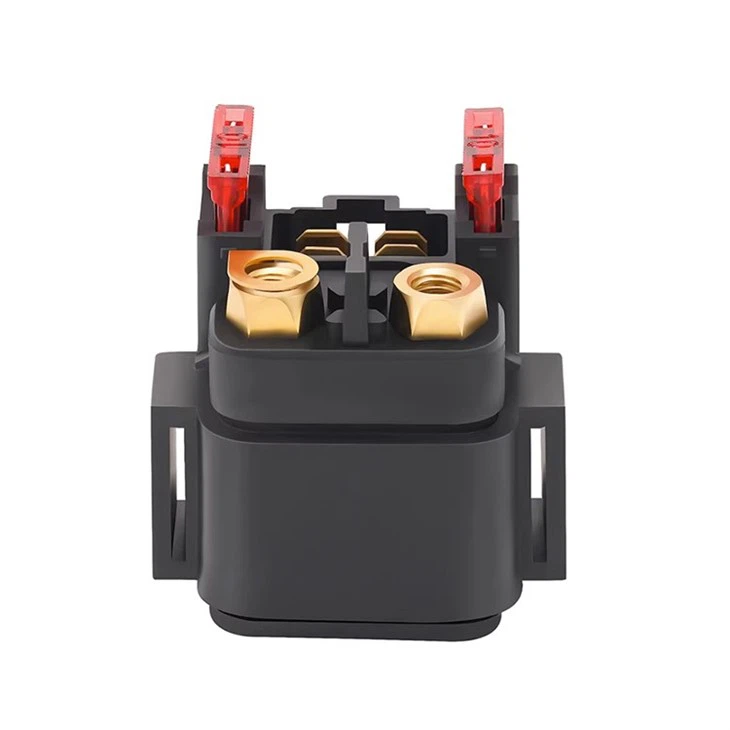
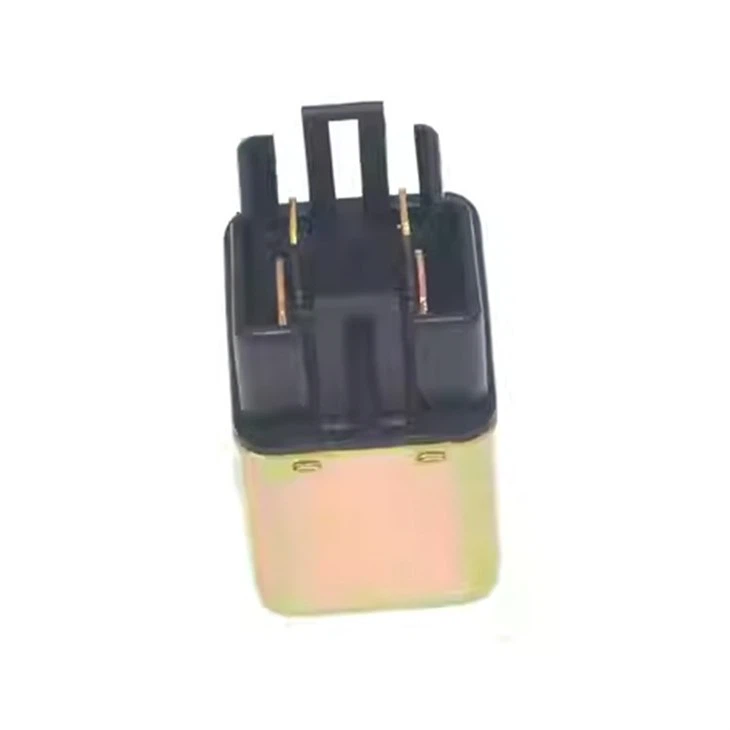
The 12v 4pin Start Relay is a common type of starter relay used in many motorcycles. It is designed to work with a 12 - volt electrical system, which is standard in most motorcycles. The four pins serve different functions: power input from the battery, control input from the ignition switch, power output to the starter motor, and a ground connection.
2. Small - Engine Motorcycles
Small - engine motorcycles, typically those with engine displacements of 50cc to 250cc, have relatively low starting requirements. These engines are lightweight and have less internal friction compared to larger engines. As a result, they require less power to turn over the engine during startup.
For small - engine motorcycles, a starter relay with a lower current rating can be used. These relays are usually more compact and lightweight, which is beneficial for the overall weight and design of the motorcycle. The CF250 Electrical Relay is specifically designed for motorcycles with 250cc engines. It can handle the moderate current needed to start the engine efficiently.
The reduced power requirements of small - engine motorcycles also mean that the starter relay experiences less stress during operation. This leads to a longer lifespan and fewer chances of failure. Additionally, the electrical system in these motorcycles is often simpler, with fewer components, which makes the installation and maintenance of the starter relay relatively straightforward.
3. Medium - Engine Motorcycles
Medium - engine motorcycles, with engine displacements ranging from 250cc to 750cc, have more substantial starting needs compared to small - engine motorcycles. These engines are more powerful and have more moving parts, which require more energy to initiate the starting process.
A starter relay for a medium - engine motorcycle needs to be able to handle a higher current flow. It must be designed to withstand the increased electrical load without overheating or suffering from premature wear. The contacts in the relay need to be made of high - quality materials to ensure reliable operation under the higher current conditions.
Yamaha motorcycles in the medium - engine category often use the Yamaha Starter Relay. This relay is engineered to meet the specific requirements of Yamaha engines, providing the necessary power to start the engine smoothly. Medium - engine motorcycles may also have more complex electrical systems, including additional sensors and components. The starter relay needs to be compatible with these systems to ensure proper operation.
4. Large - Engine Motorcycles
Large - engine motorcycles, with engine displacements above 750cc, present the most significant challenges for starter relays. These engines are extremely powerful and have a large number of cylinders and moving parts. Starting a large - engine motorcycle requires a substantial amount of electrical energy to overcome the engine's compression and internal friction.
Starter relays for large - engine motorcycles must be heavy - duty. They are designed with larger contacts and a more robust electromagnet to handle the high - current flow. The relay needs to be able to switch the large amount of power quickly and reliably to ensure a successful start.
In addition to the high - current requirements, large - engine motorcycles often have advanced electrical systems with multiple functions. The starter relay needs to be integrated into these systems seamlessly. For example, some large - engine motorcycles have a security system that interacts with the starter relay to prevent unauthorized starting.
5. Design Considerations for Different Engine Sizes
When designing starter relays for different engine sizes, several factors are taken into account. Firstly, the current rating of the relay is crucial. It must be matched to the power requirements of the engine to ensure efficient starting. Secondly, the durability of the relay is essential, especially for large - engine motorcycles. The materials used for the contacts and the electromagnet need to be able to withstand the high - current and high - temperature conditions.
The size and shape of the relay also matter. For small - engine motorcycles, a compact relay is preferred to save space. In contrast, large - engine motorcycles may have more room for a larger, heavy - duty relay. The relay's mounting method and connection points need to be designed to fit the specific motorcycle model.
Another important consideration is the compatibility with the motorcycle's electrical system. The relay needs to work in harmony with other components such as the battery, ignition switch, and starter motor. This requires careful calibration and testing during the design process.
6. Maintenance and Troubleshooting
Regardless of the engine size, proper maintenance of the starter relay is essential for its long - term performance. Regular inspection of the relay for signs of wear, corrosion, or damage can help prevent problems. Cleaning the contacts and ensuring a good electrical connection can also improve the relay's efficiency.
If a starter relay fails, it can cause starting problems in the motorcycle. Symptoms of a faulty relay include a clicking sound when turning the ignition switch, the starter motor not engaging, or intermittent starting issues. Troubleshooting a starter relay involves checking the electrical connections, testing the relay with a multimeter, and comparing the readings to the manufacturer's specifications.
7. Conclusion and Call to Action
In conclusion, the motorcycle starter relay plays a vital role in starting motorcycles of different engine sizes. It is designed to handle the unique power requirements and challenges presented by each engine category. As a motorcycle starter relay supplier, we have the expertise and products to meet the needs of all types of motorcycles.
Whether you are a motorcycle manufacturer looking for reliable starter relays for your production line or an individual motorcycle owner in need of a replacement relay, we can provide you with high - quality products. Our 12v 4pin Start Relay, Yamaha Starter Relay, and CF250 Electrical Relay are just a few examples of our extensive product range.
If you are interested in learning more about our motorcycle starter relays or would like to discuss your specific requirements, please feel free to contact us. We are ready to assist you with your procurement needs and ensure that you get the right starter relay for your motorcycle.
References
- Motorcycle Electrical Systems Handbook
- Automotive Relay Design and Application Guide
- Yamaha Motorcycle Service Manuals