In the intricate world of automotive and motorcycle engines, the ignition coil and distributor play pivotal roles in ensuring smooth and efficient operation. As a trusted Ignition Coil supplier, I've witnessed firsthand the importance of understanding how these components connect and interact. In this blog, I'll delve into the details of how the ignition coil connects to the distributor, shedding light on this crucial aspect of engine ignition systems.
The Basics of Ignition Coils and Distributors
Before we explore the connection between the ignition coil and the distributor, let's briefly understand what each component does. An ignition coil is an induction coil in a car's ignition system that transforms the battery's low voltage into the thousands of volts needed to create an electric spark in the spark plugs to ignite the fuel. On the other hand, a distributor is a device that routes high-voltage current from the ignition coil to the spark plugs in the correct firing order.
The Connection Process
The connection between the ignition coil and the distributor is a well - orchestrated process that involves a few key steps and components.
Primary Circuit Connection
The primary circuit of the ignition coil is connected to the battery and the ignition switch. When the ignition switch is turned on, battery voltage is applied to the primary winding of the ignition coil. This creates a magnetic field around the coil. The primary circuit typically consists of a relatively low - voltage wire that can handle the amperage supplied by the battery.

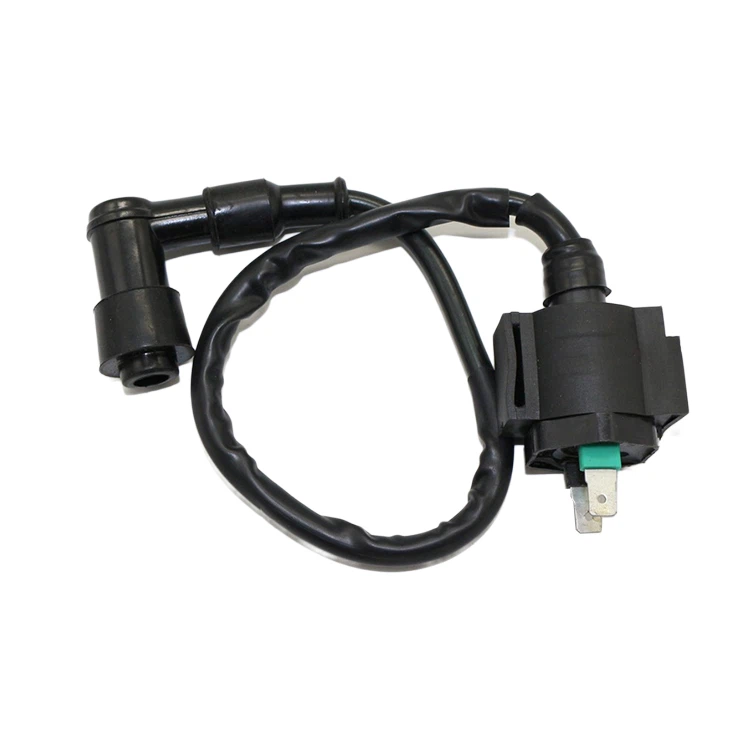
Secondary Circuit and the Distributor Cap
The secondary circuit of the ignition coil is where the magic happens. The high - voltage output from the secondary winding of the ignition coil is sent to the center terminal of the distributor cap. This high - voltage current needs to be transmitted efficiently, which is why the connection between the ignition coil and the distributor cap is crucial.
The distributor cap is made of a non - conductive material, usually plastic, and it houses the contacts that distribute the high - voltage current to the spark plugs. The center terminal of the distributor cap is designed to receive the high - voltage output from the ignition coil. A high - tension cable, often called a spark plug wire, is used to connect the ignition coil to the center terminal of the distributor cap. This cable is insulated to prevent the high - voltage current from leaking and to ensure that it reaches the distributor cap safely.
Rotor and Spark Plug Distribution
Inside the distributor, there is a rotor that rotates in sync with the engine's camshaft. As the rotor spins, it passes over the contacts in the distributor cap, which are connected to the individual spark plugs. When the magnetic field in the ignition coil collapses, it induces a high - voltage current in the secondary winding. This current travels through the high - tension cable to the center terminal of the distributor cap, then to the rotor. As the rotor passes over each contact in the distributor cap, it sends the high - voltage current through another set of high - tension cables to the corresponding spark plugs.
Importance of a Proper Connection
A proper connection between the ignition coil and the distributor is essential for several reasons.
Engine Performance
If the connection is loose or faulty, the high - voltage current may not reach the spark plugs efficiently. This can lead to misfires, which can cause a decrease in engine power, rough idling, and poor fuel economy. A well - connected ignition system ensures that the spark plugs fire at the right time and with the right intensity, resulting in optimal engine performance.
Reliability
A reliable connection between the ignition coil and the distributor is crucial for the overall reliability of the vehicle. A faulty connection can lead to intermittent starting problems or complete engine failure. By ensuring that the components are properly connected and maintained, you can avoid costly breakdowns and repairs.
Our Ignition Coil Offerings
As an Ignition Coil supplier, we offer a wide range of high - quality ignition coils that are designed to work seamlessly with various distributors. For example, our Ignition Coil JH70 is specifically designed for certain motorcycle models. It is built with precision and uses high - quality materials to ensure a reliable connection to the distributor and efficient performance.
Our CBT125 Racing Ignition Coil is another great option for those looking for enhanced performance. It is engineered to provide a stronger and more consistent spark, which can improve engine power and responsiveness.
If you have a GY6 engine, our Racing GY6 Ignition Coil Spark Plug is a perfect fit. It is designed to work in harmony with the distributor of GY6 engines, ensuring smooth operation and excellent performance.
Contact Us for Procurement
If you're in the market for high - quality ignition coils and want to learn more about how they connect to distributors or have any other questions, we're here to help. Whether you're a mechanic, a motorcycle enthusiast, or a business looking to stock ignition coils, we can provide you with the information and products you need. Reach out to us to start a procurement discussion and find the best ignition coil solutions for your needs.
References
- Haynes, John. "Haynes Manuals: Automotive Repair Guides." Various editions.
- Chilton, Robert. "Chilton's Automotive Repair Manuals." Multiple volumes.