As a supplier of Yamaha Starter Relays, I've received numerous inquiries about whether these relays come with a fuse. This is a crucial question for motorcycle enthusiasts and repair technicians alike, as understanding the components of a starter relay can significantly impact the performance and safety of a Yamaha motorcycle. In this blog post, I'll delve into the details of Yamaha Starter Relays, explore the presence of fuses, and provide insights to help you make informed decisions.
Understanding the Yamaha Starter Relay
Before we discuss the fuse aspect, let's first understand what a Yamaha Starter Relay is and its role in a motorcycle's electrical system. A starter relay is an electromagnetic switch that controls the high current flow from the battery to the starter motor. When you turn the ignition key, the starter relay receives a small electrical signal from the ignition switch. This signal activates the relay's coil, which in turn closes a set of contacts, allowing a large amount of current to flow from the battery to the starter motor. This current flow causes the starter motor to spin, cranking the engine and starting the motorcycle.
Yamaha Starter Relays are designed to be reliable and durable, ensuring smooth engine starts every time. They are built to withstand the high electrical loads and vibrations associated with motorcycle operation. These relays are available in various models and specifications to fit different Yamaha motorcycle models. For instance, you can find the CF250 Electrical Relay, which is specifically designed for certain Yamaha models.
The Role of Fuses in Electrical Systems
Fuses are an essential safety component in any electrical system, including motorcycles. A fuse is a small device that contains a thin wire or metal strip. When the electrical current flowing through the fuse exceeds a certain rating, the wire or strip melts, breaking the circuit and preventing excessive current from flowing. This protects the electrical components in the system from damage due to overheating or short circuits.
In a motorcycle, fuses are typically located in a fuse box, which is usually found under the seat or near the battery. Each fuse is rated for a specific amperage, depending on the electrical load of the circuit it protects. For example, a circuit that powers the headlights may have a higher amperage fuse than a circuit that powers the turn signals.
Does the Yamaha Starter Relay Have a Fuse?
The answer to whether the Yamaha Starter Relay has a fuse is not straightforward. In most cases, the Yamaha Starter Relay itself does not have an integrated fuse. However, the circuit that the starter relay is part of is usually protected by a fuse in the motorcycle's fuse box.
The reason for this is that the starter relay is designed to handle high current loads, and the risk of a short circuit or overcurrent within the relay itself is relatively low. Instead, the fuse in the circuit protects the wiring and other components between the battery, the starter relay, and the starter motor. If there is a short circuit or overcurrent in this circuit, the fuse will blow, preventing damage to the starter relay and other components.
It's important to note that different Yamaha motorcycle models may have different electrical system configurations, so it's always a good idea to consult the motorcycle's owner's manual or a Yamaha service manual for specific information about the fuse protection for the starter relay circuit.
Importance of Checking and Replacing Fuses
As a Yamaha Starter Relay supplier, I often emphasize the importance of regularly checking and replacing fuses in a motorcycle's electrical system. A blown fuse can prevent the starter relay from functioning properly, resulting in a no-start condition. If you experience a problem starting your Yamaha motorcycle, one of the first things you should check is the fuse for the starter relay circuit.
To check a fuse, you can use a fuse tester or simply visually inspect the fuse. A blown fuse will have a broken wire or a charred appearance. If you find a blown fuse, it's important to replace it with a fuse of the same amperage rating. Using a fuse with a higher amperage rating can cause damage to the electrical components in the circuit, while using a fuse with a lower amperage rating may blow prematurely.
Other Considerations for Yamaha Starter Relays
In addition to checking the fuse, there are other factors to consider when it comes to Yamaha Starter Relays. One important consideration is the quality of the relay. As a supplier, I always recommend using high-quality Yamaha Starter Relays that are designed to meet or exceed the original equipment manufacturer (OEM) specifications. These relays are more reliable and durable, ensuring long-term performance.
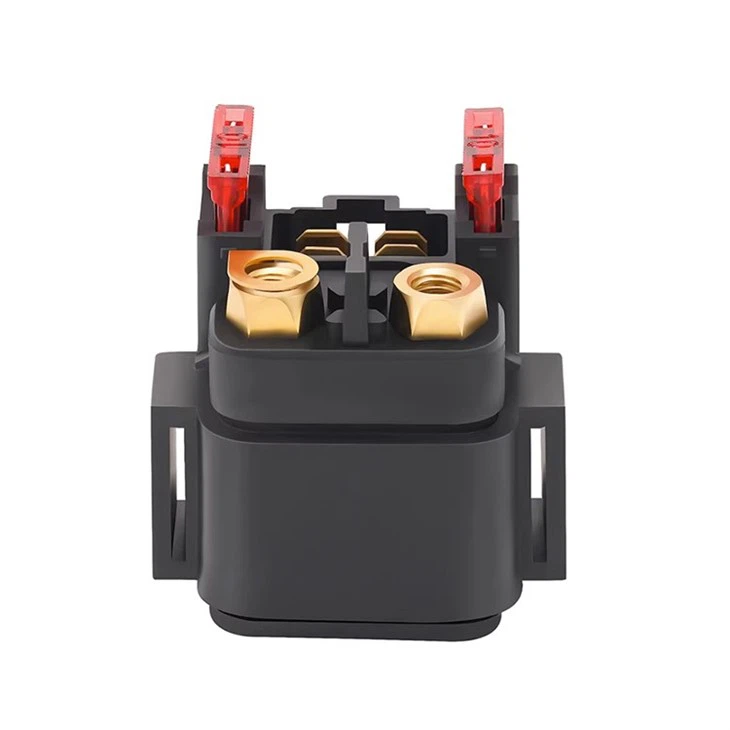

Another consideration is the installation of the starter relay. Proper installation is crucial for the relay to function correctly. Make sure to follow the manufacturer's instructions and use the correct wiring connections. Incorrect installation can lead to electrical problems and may even damage the relay.
Conclusion
In conclusion, while the Yamaha Starter Relay itself usually does not have an integrated fuse, the circuit that it is part of is typically protected by a fuse in the motorcycle's fuse box. Regularly checking and replacing fuses is an important part of maintaining a Yamaha motorcycle's electrical system. By understanding the role of the starter relay and the importance of fuse protection, you can ensure smooth engine starts and prevent electrical problems.
If you're in the market for a Yamaha Starter Relay, I invite you to explore our range of high-quality relays. We offer a variety of models, including the Yamaha Starter Relay and the 12v 4pin Start Relay. Our relays are designed to provide reliable performance and are backed by our commitment to customer satisfaction. If you have any questions or would like to discuss your specific requirements, please feel free to contact us for a procurement consultation.
References
- Yamaha Motorcycle Owner's Manuals
- Yamaha Service Manuals
- Electrical Engineering Principles and Applications by Allan R. Hambley