Can a flasher be used in a hazardous environment? This is a question that many in the industry have pondered, especially when it comes to ensuring safety and compliance in high - risk settings. As a flasher supplier, I've had numerous inquiries regarding the suitability of our products in such conditions, and I'd like to delve into this topic in detail.
Understanding Hazardous Environments
Hazardous environments are areas where there is a risk of fire, explosion, or other dangerous events. These can include industrial facilities such as oil refineries, chemical plants, and mines. In these places, the presence of flammable gases, vapors, dusts, or fibers creates a high - risk situation. Any electrical equipment used in these areas must meet strict safety standards to prevent the ignition of these hazardous substances.
The main factors that define a hazardous environment include the type of hazardous substance present (e.g., gas, dust), the concentration of the substance, and the likelihood of its presence. For example, in an oil refinery, there may be a high concentration of flammable hydrocarbon gases, while in a flour mill, there could be a significant amount of combustible dust.
How Flashers Work
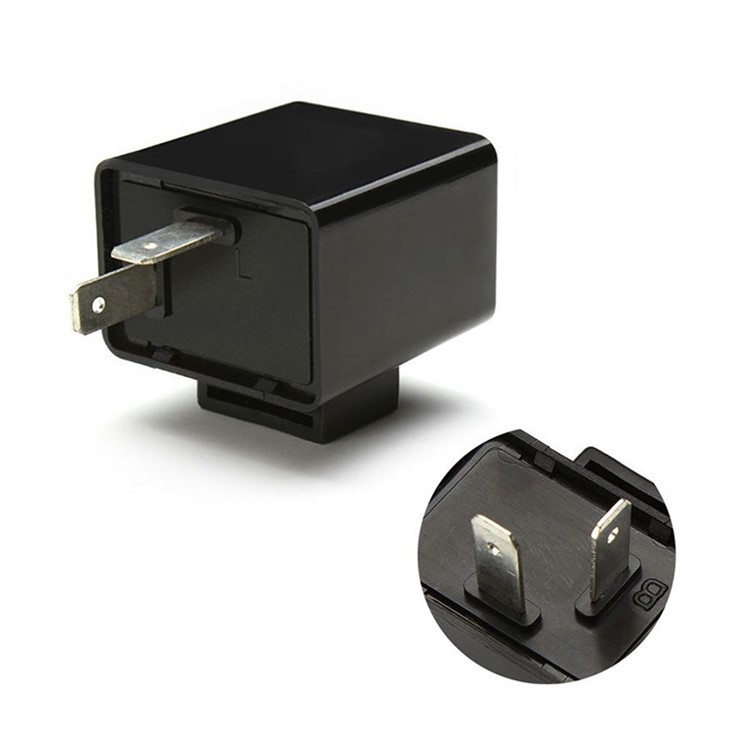
Before discussing their use in hazardous environments, it's important to understand how flashers operate. A flasher is an electrical device that controls the flashing of lights, such as turn signals or hazard lights on a vehicle. It works by interrupting the electrical current flowing to the light bulbs at a regular interval, causing them to flash on and off.
Most flashers use either a thermal or an electronic mechanism. Thermal flashers rely on the heating and cooling of a bimetallic strip. When current passes through the strip, it heats up and bends, breaking the circuit. As it cools, it returns to its original position, closing the circuit again and causing the light to flash. Electronic flashers, on the other hand, use solid - state components such as transistors and integrated circuits to control the flashing. They are generally more reliable and have a longer lifespan than thermal flashers.
Challenges of Using Flashers in Hazardous Environments
Using flashers in hazardous environments presents several challenges. One of the main concerns is the potential for electrical arcing. When the circuit in a flasher is interrupted, an arc can form between the contacts. This arc can generate enough heat to ignite flammable gases or dusts in the surrounding environment.
Another challenge is the need for proper enclosure. Flashers must be housed in a container that can prevent the escape of sparks or hot gases from the internal components. The enclosure must also be able to withstand the harsh conditions in a hazardous environment, such as high temperatures, corrosive chemicals, and physical impacts.

Safety Standards for Flashers in Hazardous Environments
To address these challenges, there are strict safety standards in place for electrical equipment used in hazardous environments. These standards vary depending on the region and the type of hazardous environment. For example, in the United States, the National Electrical Code (NEC) provides guidelines for the installation and use of electrical equipment in hazardous locations. In Europe, the ATEX Directive sets the requirements for equipment used in explosive atmospheres.
These standards specify the design, construction, and testing requirements for flashers and other electrical devices. For example, flashers must be designed to prevent the generation of arcs or sparks that could ignite hazardous substances. They must also be tested to ensure that they can withstand the expected environmental conditions without failing.
Our Flasher Products and Hazardous Environments
As a flasher supplier, we are committed to providing products that meet the highest safety standards. Our range of flashers includes models such as the Motorcycle Silent Turn Signal Relay, the 6V Motorcycle Flasher SCP, and the Motorcycle Silent Hazard Blinker.
Our engineers have designed these products with safety in mind. We use advanced materials and manufacturing techniques to minimize the risk of arcing and ensure proper enclosure. For example, our electronic flashers are designed to have low - energy switching, which reduces the likelihood of arc formation.
In addition, our flashers are tested rigorously to meet the relevant safety standards. We conduct both in - house testing and third - party certification to ensure that our products are safe for use in a variety of environments, including hazardous ones.
Case Studies
Let's take a look at some real - world examples of how our flashers have been used in hazardous environments. In an oil refinery, our explosion - proof flashers were installed to provide warning signals in areas where there was a risk of gas leaks. These flashers were designed to operate reliably in the harsh conditions of the refinery, including high temperatures and exposure to corrosive chemicals.
In a mining operation, our dust - proof flashers were used to mark dangerous areas and guide workers safely through the mine. The flashers were enclosed in a rugged housing that could withstand the physical impacts and dust accumulation common in a mining environment.
Considerations for Purchasing Flashers for Hazardous Environments
When purchasing flashers for use in hazardous environments, there are several factors to consider. First, you need to ensure that the flasher meets the relevant safety standards for your specific environment. This may require consulting with a safety expert or referring to the local regulations.
Second, you should consider the reliability of the flasher. In a hazardous environment, a malfunctioning flasher could have serious consequences. Look for products that have a proven track record of reliability and are backed by a reputable manufacturer.
Finally, consider the cost - effectiveness of the flasher. While safety is the top priority, you also want to ensure that you are getting a good value for your money. Compare different products and suppliers to find the best combination of safety, reliability, and cost.
Conclusion
In conclusion, while using flashers in hazardous environments presents challenges, it is possible with the right products and precautions. As a flasher supplier, we are dedicated to providing high - quality, safe, and reliable flashers that can meet the needs of customers in a variety of industries.
If you are in need of flashers for a hazardous environment or any other application, we encourage you to contact us for a detailed discussion. Our team of experts can help you select the right product for your specific requirements and guide you through the purchasing process. We look forward to working with you to ensure the safety and efficiency of your operations.
References
- National Fire Protection Association. National Electrical Code (NEC).
- European Union. ATEX Directive.
- Industry standards and guidelines for electrical equipment in hazardous locations.