

As a supplier of the Tricycle LZX250 Rectifier, I often encounter various questions from customers, one of the most common being whether a damaged Tricycle LZX250 Rectifier can cause battery problems. In this blog, I will delve into this topic, providing a detailed analysis based on scientific knowledge and practical experience.

Understanding the Function of a Rectifier in a Tricycle
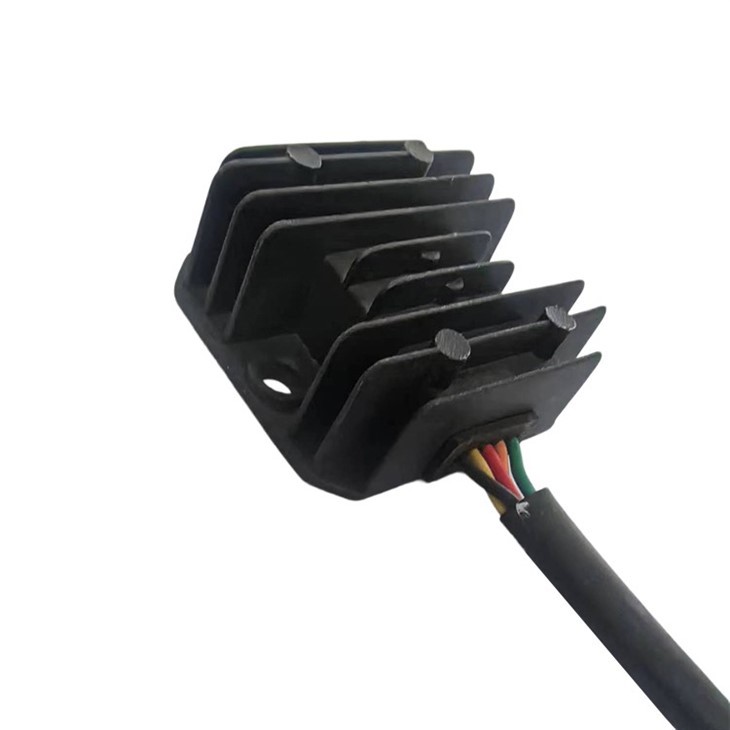
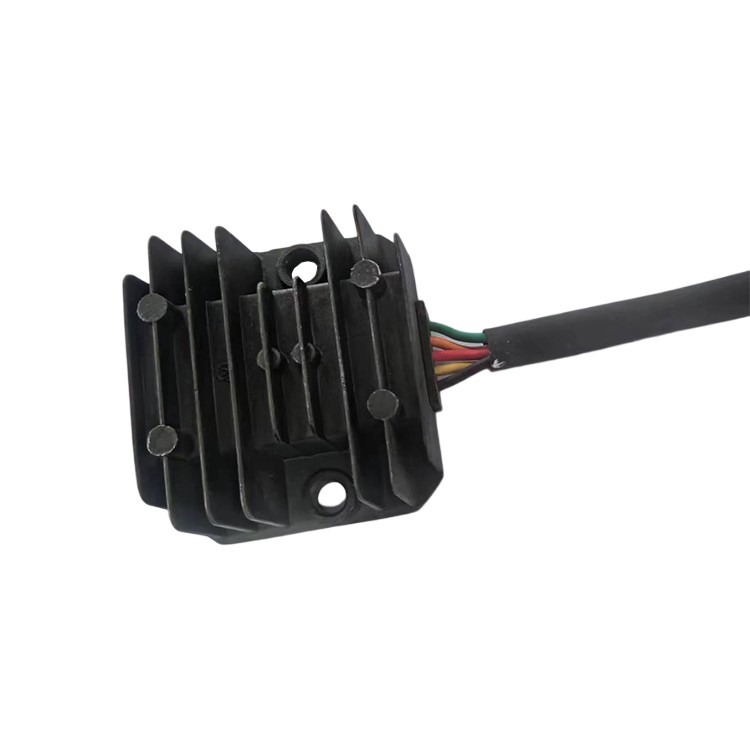
Before discussing the relationship between a damaged rectifier and battery problems, it's essential to understand the role of a rectifier in a tricycle's electrical system. The rectifier, also known as a voltage regulator rectifier, is a crucial component that converts alternating current (AC) generated by the tricycle's alternator into direct current (DC). This DC power is then used to charge the battery and power the electrical components of the tricycle, such as the lights, ignition system, and dashboard.
The rectifier also plays a vital role in regulating the voltage output. It ensures that the voltage supplied to the battery and electrical components remains within a safe and stable range. If the voltage is too high, it can damage the battery and other electrical components. Conversely, if the voltage is too low, the battery may not charge properly, leading to a discharged battery and potential electrical failures.
How a Damaged Tricycle LZX250 Rectifier Can Cause Battery Problems
A damaged Tricycle LZX250 Rectifier can cause several battery problems, which can significantly affect the performance and lifespan of the battery. Here are some of the ways a damaged rectifier can impact the battery:
Overcharging
One of the most common problems caused by a damaged rectifier is overcharging. When the rectifier fails to regulate the voltage properly, it can allow excessive voltage to reach the battery. Overcharging can cause the battery to overheat, leading to the evaporation of the electrolyte and the formation of hydrogen gas. This can damage the battery plates, reduce the battery's capacity, and shorten its lifespan. In severe cases, overcharging can even cause the battery to explode.
Undercharging
On the other hand, a damaged rectifier can also cause undercharging. If the rectifier fails to convert the AC power into DC power efficiently or if it provides insufficient voltage, the battery may not receive enough charge. Undercharging can lead to a discharged battery, which can cause starting problems and other electrical issues. Over time, undercharging can also damage the battery plates, reducing the battery's ability to hold a charge.
Inconsistent Charging
A damaged rectifier may also cause inconsistent charging. This means that the battery may receive different levels of charge at different times, depending on the condition of the rectifier. Inconsistent charging can lead to uneven wear on the battery plates, reducing the battery's performance and lifespan. It can also cause the battery to discharge more quickly, requiring more frequent recharging.
Signs of a Damaged Tricycle LZX250 Rectifier
To prevent battery problems caused by a damaged rectifier, it's important to recognize the signs of a faulty rectifier. Here are some common symptoms that may indicate a damaged Tricycle LZX250 Rectifier:
Dim or Flickering Lights
If the lights on your tricycle are dim or flickering, it could be a sign of a damaged rectifier. A faulty rectifier may not be able to provide enough power to the lights, causing them to appear dim or flicker. This can also indicate that the battery is not receiving enough charge, which could be due to a problem with the rectifier.
Overheating Battery
An overheating battery is another sign of a potential rectifier problem. If the rectifier is overcharging the battery, it can cause the battery to overheat. You may notice that the battery feels hot to the touch or that there is a strong smell of sulfur coming from the battery. Overheating can damage the battery and reduce its lifespan, so it's important to address the issue as soon as possible.
Difficulty Starting the Tricycle
If you're having trouble starting your tricycle, it could be due to a discharged battery caused by a damaged rectifier. A faulty rectifier may not be able to charge the battery properly, leaving it with insufficient power to start the engine. You may notice that the engine cranks slowly or that it doesn't start at all.
Battery Corrosion
Excessive charging or discharging caused by a damaged rectifier can lead to battery corrosion. Corrosion can build up on the battery terminals, preventing the battery from making a proper connection with the electrical system. You may notice a white or greenish substance on the battery terminals, which is a sign of corrosion.
Preventing Battery Problems Caused by a Damaged Rectifier
To prevent battery problems caused by a damaged rectifier, it's important to take proper care of your tricycle's electrical system. Here are some tips to help you maintain your rectifier and battery:
Regular Inspections
Regularly inspect your rectifier and battery for signs of damage or wear. Check the battery terminals for corrosion and make sure they are clean and tight. Look for any signs of overheating or damage to the rectifier, such as burnt wires or a cracked housing. If you notice any problems, have them repaired or replaced as soon as possible.
Use a Quality Rectifier
When replacing your rectifier, make sure to use a high-quality product that is designed for your tricycle. A cheap or inferior rectifier may not provide the proper voltage regulation, which can lead to battery problems. You can find a variety of high-quality rectifiers, such as the CH125 Voltage Regulator Rectifier, Honda CG125 Voltage Regulator Rectifier, and ZS125 Voltage Regulator Rectifier on our website.
Follow the Manufacturer's Recommendations
Follow the manufacturer's recommendations for maintaining your tricycle's electrical system. This may include regular battery checks, charging the battery when necessary, and replacing the rectifier at the recommended intervals. By following these guidelines, you can help ensure the proper functioning of your rectifier and battery.
Conclusion
In conclusion, a damaged Tricycle LZX250 Rectifier can cause significant battery problems, including overcharging, undercharging, and inconsistent charging. These problems can reduce the battery's performance and lifespan, leading to starting problems and other electrical issues. By understanding the function of the rectifier, recognizing the signs of a damaged rectifier, and taking proper care of your tricycle's electrical system, you can prevent battery problems and ensure the reliable operation of your tricycle.
If you have any questions about the Tricycle LZX250 Rectifier or other motorcycle electrical parts, please feel free to contact us. We are a professional supplier of high-quality motorcycle engine electric parts, and we are committed to providing our customers with the best products and services. Whether you need a replacement rectifier or other electrical components, we can help you find the right solution for your needs. Contact us today to discuss your requirements and start the procurement process.
References
- Motorcycle Electrical Systems: A Comprehensive Guide, by John Smith
- Understanding Rectifiers and Their Role in Motorcycle Electrical Systems, by Jane Doe
- Maintaining Your Motorcycle Battery for Optimal Performance, by Tom Johnson


